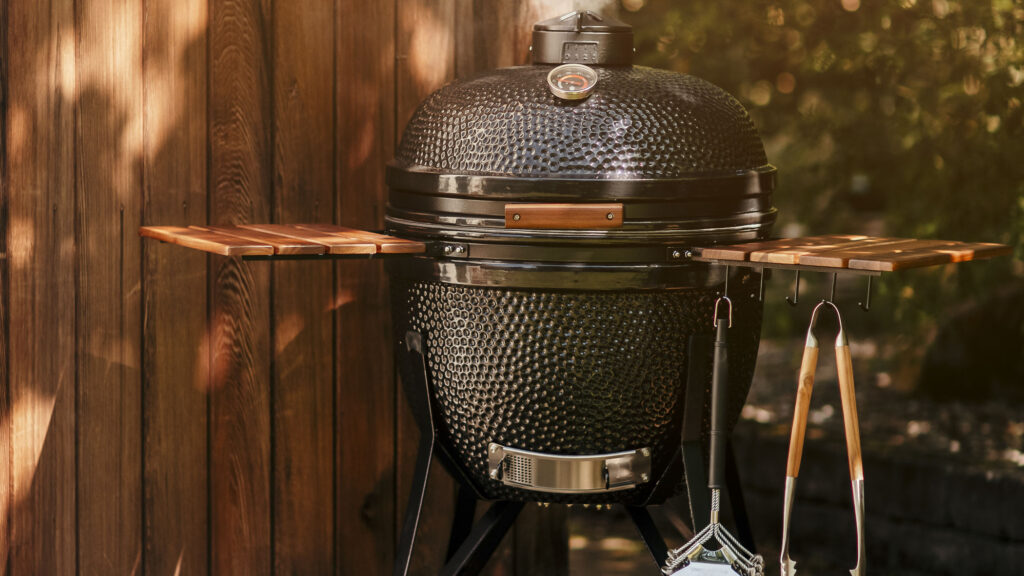
A steady charcoal fire.
Lump charcoal is the foundation. Let the temperature settle before the fish goes on, then use small vent adjustments to keep control.
Clean grates, gentle handling and a little patience make fish a rewarding cook. Start with skin-on salmon or a firm fillet, then explore the flavours you enjoy.
LET’S GRILL FISH
A LITTLE SUMO KNOW-HOW
Salmon, trout and swordfish are useful choices for grilling. A thicker portion is easier to handle than a thin, delicate fillet. Cod has a mild flavour but needs a gentler touch: a fish basket or a foil parcel helps keep it together. For skin-on fish, start skin-side down. Pat the surface dry before seasoning. Moisture on the surface makes it harder to develop a clean grilled finish.
A clean grate, steady heat and a little preparation make fish much easier to grill. Light the charcoal, let the grill settle and have your utensils, seasoning and serving plate ready before the fish goes on.
Clean the cooking grate and lightly oil it before cooking. Let the fish sit undisturbed until it releases from the grate, then turn carefully with a broad spatula or a fish basket. You can also cook the fish over slices of lemon. They add aroma and form a barrier between delicate flesh and the hot grate. Avoid repeatedly turning or moving the fish.
Cook smaller portions over direct heat for colour and a grilled surface. Use indirect heat for thicker pieces that need time to cook through without burning on the outside. A fish basket makes turning easier. For a delicate fillet, a foil parcel is another practical choice. Keep sweet marinades away from fierce direct heat so the honey or sugar does not burn.
Start skin-side down when the skin is on. Leave the fish undisturbed until it releases from the grate, then turn gently. A broad spatula or fish basket helps keep the portion together.
Thickness, starting temperature and the heat of the grill all affect cooking time. Treat time as a planning aid, not proof that the fish is ready. Use a food thermometer in the thickest part, clear of bones. Cook fish to an internal temperature of 63°C. Check more than one spot in a large or uneven piece, and clean the thermometer between checks.
MAKE IT YOUR OWN
Choose between two combinations: bright lemon and herbs, or a sweet and savoury soy glaze. Mix the ingredients, coat the fish and marinate in the refrigerator for about 30 minutes.
THE RIGHT TOOLS, AT THE RIGHT MOMENT
Build a steady fire, check the finish and add a little smoke. Each choice has a job to do.
Lump charcoal is the foundation. Let the temperature settle before the fish goes on, then use small vent adjustments to keep control.
Check the thickest part instead of guessing by time. A food thermometer is especially useful for large or uneven pieces of fish.
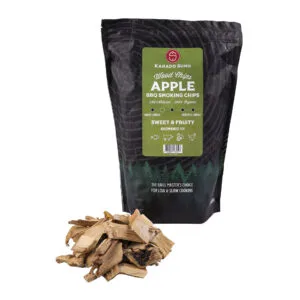
Apple wood gives you a mild, fruity starting point. Keep it subtle so the fish remains the main flavour.
Adding smoke? Use a modest amount. Add chips through the chip-feeder according to your grill’s instructions. Follow the instructions supplied with the smoking wood.
TRY IT ON YOUR SUMO
For a different way to cook fish, follow our hot-smoked salmon recipe. Read the method before lighting the grill so the fire, smoke and preparation fit the dish.
EXPLORE THE SALMON RECIPEFinish salmon with lemon and capers. Try a gentle soy glaze with cod, or jerk-inspired spices with a firm swordfish steak. For another direction, explore octopus with paprika and olive oil.
A thicker skin-on salmon portion is a useful starting point. Firm fish is easier to handle than a thin, delicate fillet. A fish basket or foil parcel helps keep delicate fish together.
Clean and lightly oil the grate before cooking. Pat the fish dry, start skin-side down when the skin is on, and let it release before trying to move it.
Use direct heat for smaller portions and colour. Thicker pieces benefit from indirect heat so the centre can cook through without burning the surface. Keep sweet glazes away from fierce heat.
Use a food thermometer in the thickest part, clear of bones. Cook fish to an internal temperature of 63°C. Thickness and grill temperature affect the timing.
Yes. Start with a modest amount of a mild wood such as apple. Add chips through the chip-feeder according to your grill’s instructions, or follow a hot-smoking recipe for a complete setup.